
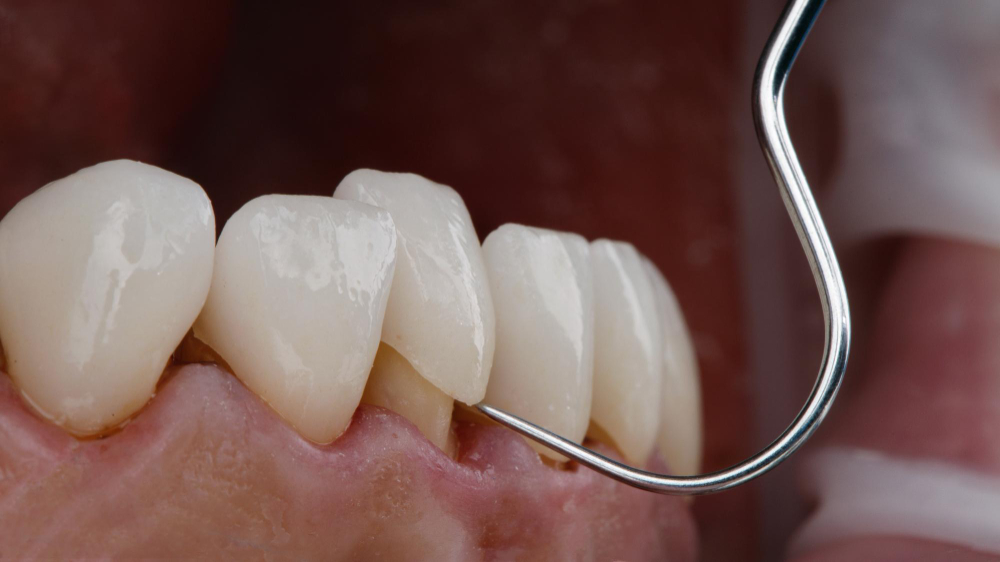
Dental veneers are thin, custom-made shells placed on the front of teeth. They help improve the look of your smile. Many people choose dental veneers to fix chipped, stained, or uneven teeth. Because they are a popular cosmetic dentistry option, dental veneers can boost confidence and create a natural-looking smile. In this blog, you will learn about dental veneers, their benefits, the procedure, possible risks, and how to care for them.
What Are Dental Veneers?
Dental veneers are thin covers made from porcelain or resin. Dentists bond them to the front of your teeth. As a result, they can change the color, shape, size, or length of your teeth. Porcelain veneers are strong and resist stains better than resin veneers. However, both types can give you a bright, even smile. According to the American Dental Association, veneers are a safe and effective way to improve your smile.
Benefits of Dental Veneers
Dental veneers offer many advantages. For example, they can:
Additionally, dental veneers are custom-made to match your natural teeth. This means they blend in well and look real. Many people choose veneers for a long-lasting cosmetic dentistry solution.
Who Is a Good Candidate for Dental Veneers?
Not everyone is a good fit for dental veneers. Usually, you may be a good candidate if you:
However, your dentist will check your teeth and gums before starting. In some cases, other treatments may be better. For example, if you have large cavities, your dentist may suggest fillings or crowns instead.
The Dental Veneer Procedure: Step-by-Step
The dental veneer procedure usually takes two or three visits. Here is what you can expect:
Most people find the dental veneer procedure comfortable. However, you may feel mild sensitivity for a few days.
Risks and Potential Side Effects
While dental veneers are safe, there are some risks. For instance, you may experience:
Additionally, veneers are not reversible. Once enamel is removed, it does not grow back. If a veneer breaks, it may need to be replaced. According to the American Dental Association, most people do not have serious problems, but it is important to follow your dentist’s advice.
Aftercare Tips for Dental Veneers
Proper aftercare helps your dental veneers last longer. Here are some tips:
With good care, porcelain veneers can last 10 to 15 years or more. Resin veneers may last a bit less. Your dentist can give you more tips for veneers aftercare based on your needs.
Frequently Asked Questions About Dental Veneers
In some locations, the cost and availability of dental veneer procedures may vary. Always choose a qualified dentist with experience in cosmetic dentistry for the best results.
If you are thinking about improving your smile, dental veneers may be a good option. Consult a qualified dentist to find out if dental veneers are right for you.