
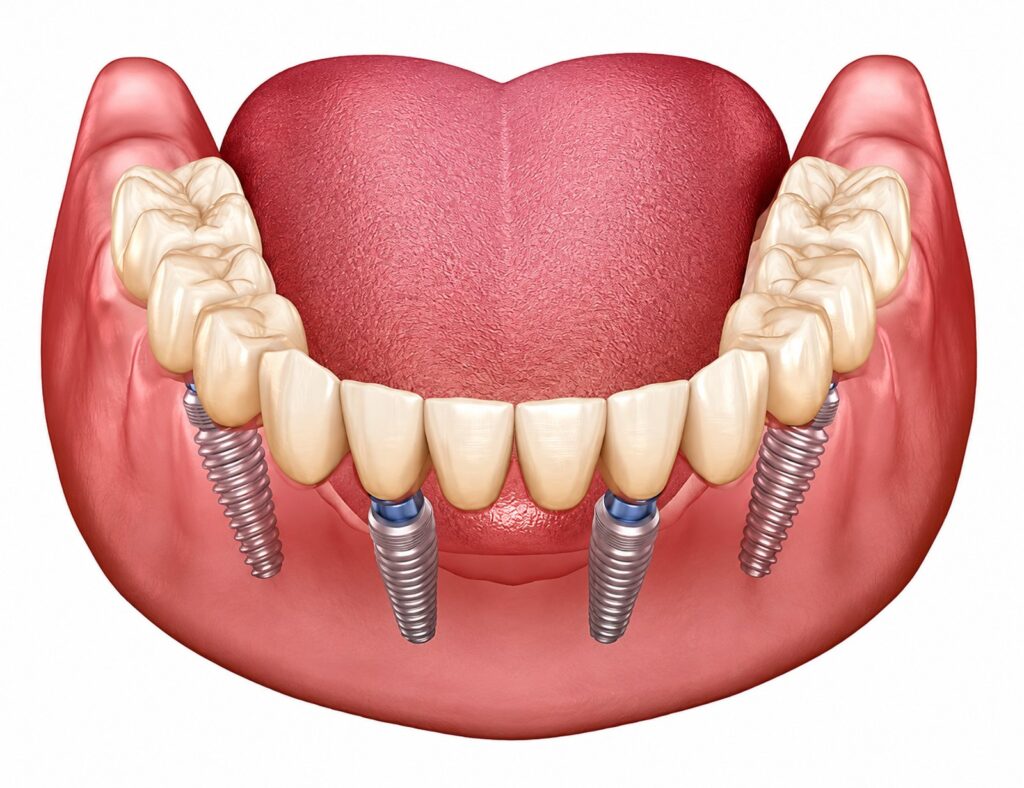
What is Full Mouth Rehabilitation?
Full mouth rehabilitation is a comprehensive dental treatment that restores the function and health of your entire mouth. This process combines different dental restoration procedures to repair or replace damaged, worn, or missing teeth. As a result, you can chew, speak, and smile with confidence again. Many people choose full mouth rehabilitation to improve their oral health and overall quality of life.
Who Needs Full Mouth Rehabilitation?
Not everyone needs full mouth rehabilitation. However, some people may benefit greatly from this treatment. For example, you may need it if you have:
Additionally, people who have suffered injuries or trauma to the mouth may also need full mouth rehabilitation. If you have ongoing dental issues, this treatment can help restore your oral function and comfort.
Common Causes Leading to Full Mouth Rehabilitation
There are several reasons why someone might need full mouth rehabilitation. Often, these causes build up over time. Some common causes include:
Because these issues can affect your ability to eat and speak, it is important to address them early. Early treatment can prevent further damage and improve your oral health.
Diagnosis and Assessment Process
First, your dentist will perform a thorough exam. This includes checking your teeth, gums, and jaw. Next, they may take X-rays or digital scans to see the full picture. Sometimes, they will use models of your teeth to plan treatment. During this process, your dentist will ask about your health history and any symptoms you have. Together, you will discuss your goals and concerns. This careful assessment helps create a personalized treatment plan for your needs.
Treatment Options and Procedures
Full mouth rehabilitation uses a mix of dental restoration procedures. Your dentist will choose the best options for you. Common treatments include:
Because every mouth is different, your treatment plan may include one or more of these procedures. Your dentist will explain each step and answer your questions along the way.
Benefits of Full Mouth Rehabilitation
There are many benefits to full mouth rehabilitation. For example, it can:
According to the American Dental Association, restoring oral function can also help you eat a balanced diet and maintain good nutrition. As a result, your quality of life may improve.
Recovery and Aftercare Tips
After your treatment, proper care is important for healing and long-term success. Here are some helpful tips:
With good aftercare, most people recover quickly and enjoy lasting results. Your dentist will guide you through each stage of recovery.
Prevention and Oral Health Maintenance
Even after full mouth rehabilitation, keeping your mouth healthy is key. To prevent future problems, you should:
Because prevention is always better than cure, these habits can help you maintain your new smile for years to come.
In summary, full mouth rehabilitation offers a path to restoring oral function and health. If you think you may benefit, consult a dental specialist to discuss if full mouth rehabilitation is right for you.